16 Ways to Use Waste Wool or Mohair

Don’t throw out your short staple, skirted parts of the fleece, or non-ideal fiber! You can use waste wool or mohair for many purposes around the homestead. Wool and mohair are insulating and packed with nutrients, here are some creative ideas to try!
This post contains affiliate links. As an Amazon Associate, I earn from qualifying purchases.
As a fiber artist that raises Angora goats, I am lucky to have an abundant supply of long, luxurious mohair locks that I use for spinning and projects like wet-felted rugs, coasters, soap, hot pads, and vessels. (Follow the links for those tutorials if you’re interested). But I also have plenty of short cuts, mats, and dirty parts that I skirt from the fleece at shearing time.
Another source of what would be wasted fiber on our ranch is market lambs. The entire fleece from these Suffolk-cross sheep is short, coarse, and not ideal for crafting. Instead of throwing it out, I save their wool and it serves many purposes around the homestead.
Why Use Waste Wool?
Our farm values include conservation, stewardship, and resourcefulness. We are always looking for ways to recycle, minimize waste, and use all by-products of our business operations. While some producers discard shearing “waste,” I have accepted the challenge of finding creative ways to put it to good use.
Natural animal fibers like wool and mohair are insulating and packed with nutrients. While the scraps aren’t the prized cuts of the fleece, they have plenty to offer in padding or lining and soil enrichment.
Here are some of the ways that I use waste wool and mohair. Give them a try!
1. Use Waste Wool to Pad a Scarecrow
You can make an easy DIY scarecrow for your garden with two wooden stakes, some old clothing, and waste wool. All you have to do is make a T shape with the wooden stakes, then dress your scarecrow, and stuff it with waste wool. Secure the arm and legs with zip ties and you are all set. You can put your wool in plastic grocery bags to make it more rain resistant if you desire.
2. Use Waste Wool to Make a Cat Bed
I make beds for my barn cats with old pillowcases stuffed with waste wool. Tie the pillowcase in a knot so you can refill it as needed. Our kitties love curling up on these soft cushions, especially in the winter months.
3. Use Waste Wool to Restuff Dog Toys
We have a one-year-old Golden Retriever named Sage that is very rough on her dog toys. When she chews a hole in a stuffed toy, I refill it with wool or mohair and sew it closed to prolong its lifespan.
4. Use Waste Wool to Insulate Quilt Boxes for Bees
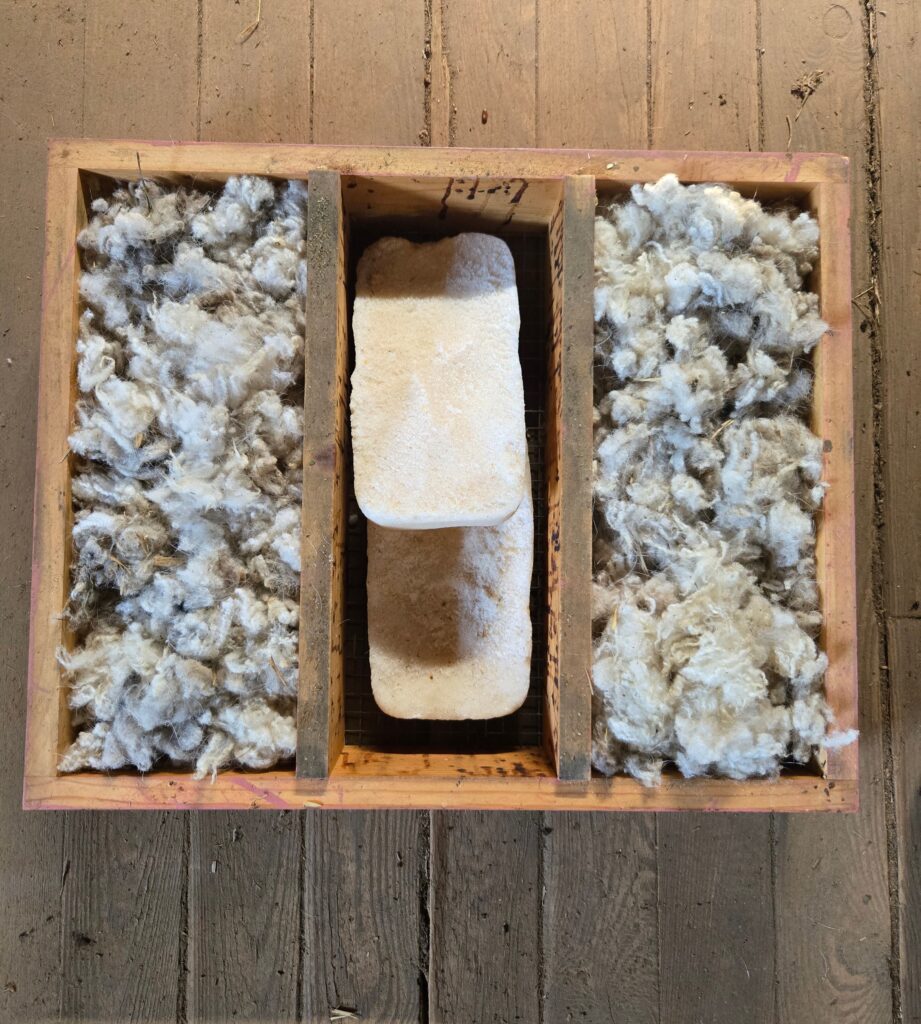
As a beekeeper in Michigan, I use quilt boxes to absorb moisture in my hives during the winter. The quilt boxes that I have feature two compartments for insulation and a space for feeding sugar bricks in the center. For my sugar brick recipe, click here.
Insulating material is important because it prevents condensation from the cluster from dripping back onto the bees, which can be deadly. Waste wool can be used as an alternative to wood shavings as insulation in quilt boxes. It is moisture wicking and can help the bees regulate their temperature as the weather fluctuates.
5. Use Waste Wool in Laying Boxes
I have tried using waste wool combined with straw in the laying boxes for my chickens. It works pretty well as cushion and insulation for the eggs, but it gets dirty rather quickly.
6. Use Waste Wool in Rabbit Nesting Boxes
Wool is an effective insulator for newborn rabbit kits. It can help keep them safe on cold nights and most does (female rabbits) welcome the extra fiber, arranging the wool and their own fur to keep their litter warm and dry.
7. Use Waste Wool as Packing Material
Wool and mohair are extremely soft and make great packing materials for goods. If you need to transport something fragile, use some waste wool as an impact cushion around it. If you are worried about lanolin or grease damaging the item, put the wool in old feed sacks or garbage bags first.
8. Use Waste Wool in Nesting Balls for Wild Birds
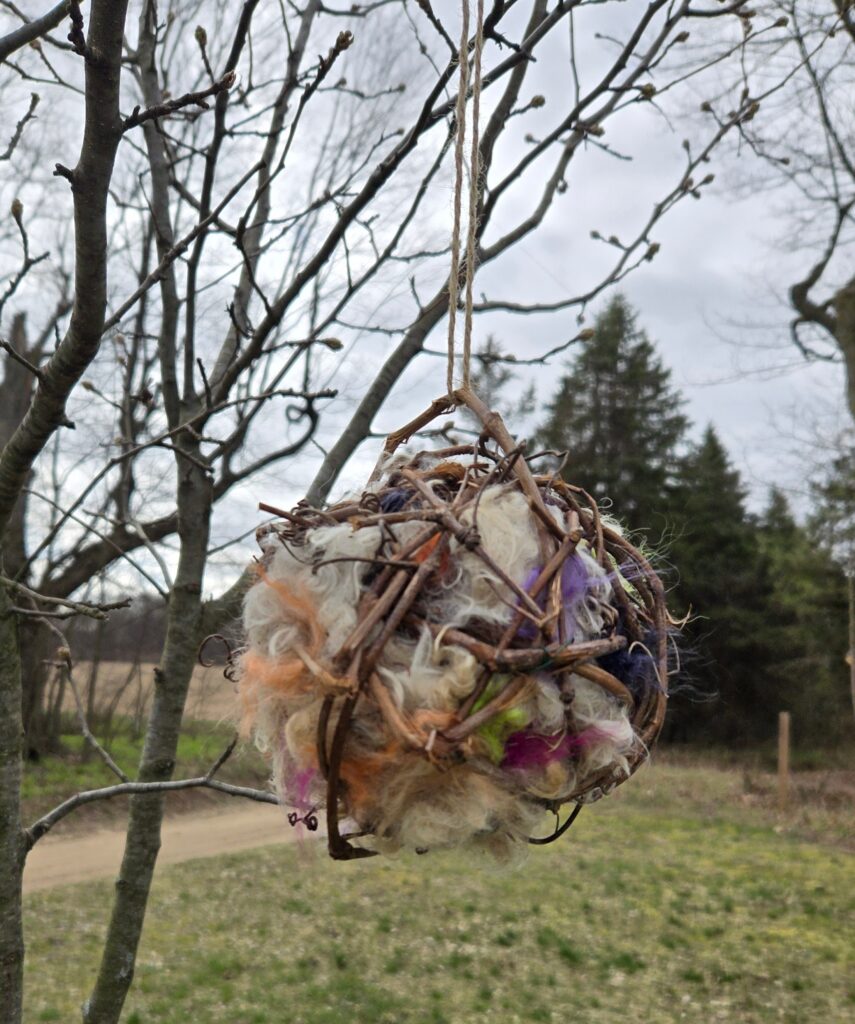
In the springtime, I weave grapevine balls, stuff them with waste wool and mohair, and hang them for the wild birds. The birds come and pick what they need to line their nests to keep their chicks warm. For directions for making and filling nesting balls, click here to read my other article!
9. Use Waste Wool to Make Dryer Balls
Using natural fiber dryer balls can reduce drying time and wrinkles in your laundry. I make the core of my dryer balls with waste wool.
First, I scour the waste wool to remove dirt, oil, and odors with Dawn dish soap or Power Scour and then use it to make the center of the ball. For the outer layers, I use prime fleece so that the dryer ball is smooth, clean, and durable. Detailed instructions for making dryer balls with needle-felting or wet-felting techniques can be found using the links provided.
10. Use Waste Wool to Make a Pin Cushion
In the same way that waste wool can be used to make the core of a dryer ball, it can also be used to make the center of a pin cushion. Taking the time to scour the waste wool will make sure your project doesn’t have an animal smell. Directions for scouring raw fleece can be found in this post.
The washed wool can be covered in fabric to make a ball and closed by sewing or using hot glue. If you want a cute and handy holder for your pincushion, secure it in a vintage teacup! Now you have a safe place for all your pins and needles.
11. Use Waste Wool for Growing Mushrooms
You can use waste wool to help grow wine cap mushrooms. After laying down a bed of wood chips, add a layer of raw wool, then your sawdust spawn. Continue this pattern and top with a nice thick layer of wood chips.
As the wool breaks down, it releases nitrogen that the mushroom spawn can use as nutrition. Plus, the fiber helps maintain moisture in the bed during dry spells.
12. Use Waste Wool to Start Seeds
Wool makes a great base for starting seeds. You can put waste wool into your containers, layer soil on top of it, and then plant your seeds. When it’s time to transplant, the whole set up can be moved right into the flower bed or garden.
If you’re starting with young plants that you purchased, you can put a lump of raw wool in the depths of the hole during planting. The fiber will help retain water for the plant’s roots and provide a source of nitrogen, potassium, and sulfur as the buried wool breaks down naturally over time.
13. Use Waste Wool as Mulch in the Garden
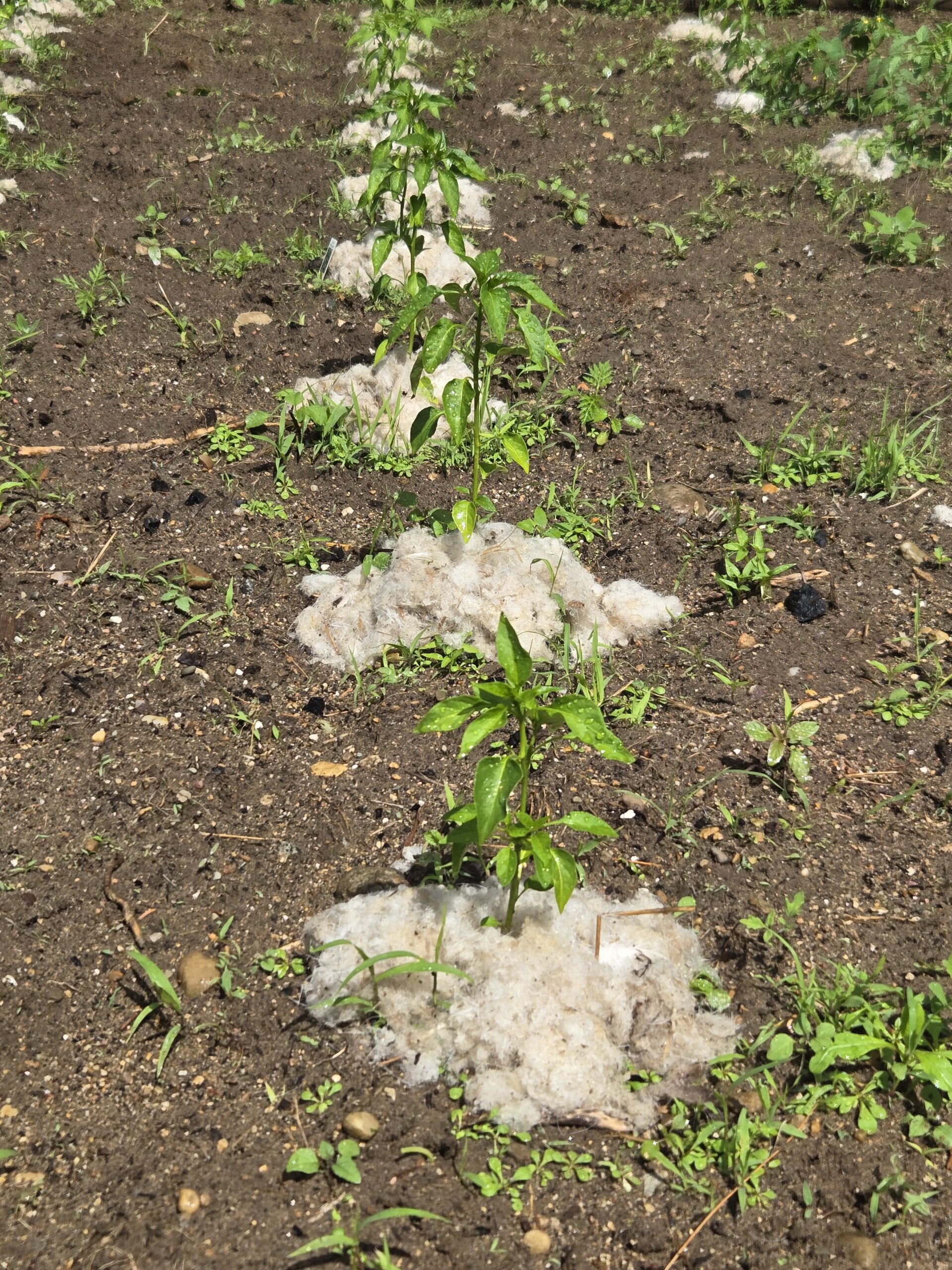
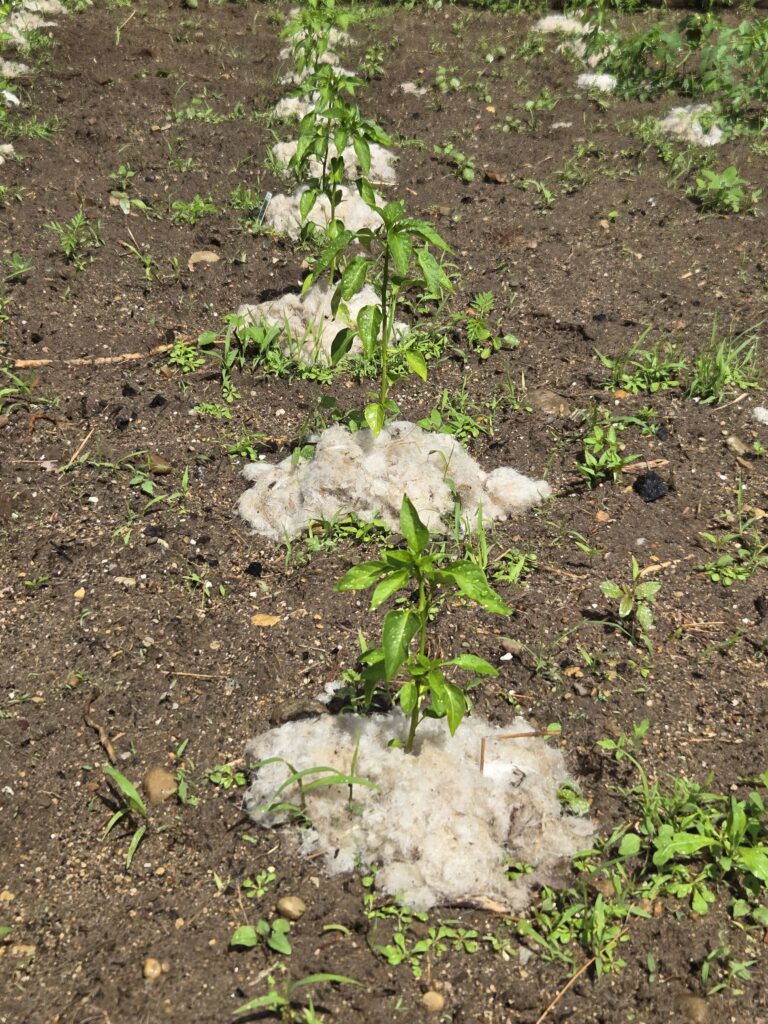
Waste wool makes excellent garden mulch! I use it around my tomato and pepper plants. Not only does it help the soil remain moist well after watering, but it also keeps the weeds at bay. Some gardeners claim that the smell from the raw wool deters pests too.
When placed on the surface of the garden, wool and mohair break down very slowly. If not tilled into the ground, you can find remnants a year or two later. As the fiber breaks down, it releases nutrients that replenish the soil.
14. Use Waste Wool to Line Potted Plants
To keep your indoor or outdoor potted plants hydrated, you can line your vessels with a layer of waste wool. I find the addition of fiber to be especially helpful for keeping hanging baskets from losing too much water from the drainage holes.
15. Use Waste Wool as Compost
Waste wool is the perfect additive for your compost bin or pile. It takes several months for buried wool to decompose. As it does, beneficial nutrients are released and its water-holding capabilities keep the humidity up and your soil microbes healthy.
Maintaining airflow and oxygen levels in your compost is important and using fiber can make a big difference. Wool and mohair reduce the density of your pile and trap moisture and air in tiny pockets that improve aeration and speed up the process of making natural fertilizer.
16. Use Waste Wool in your Worm Bin
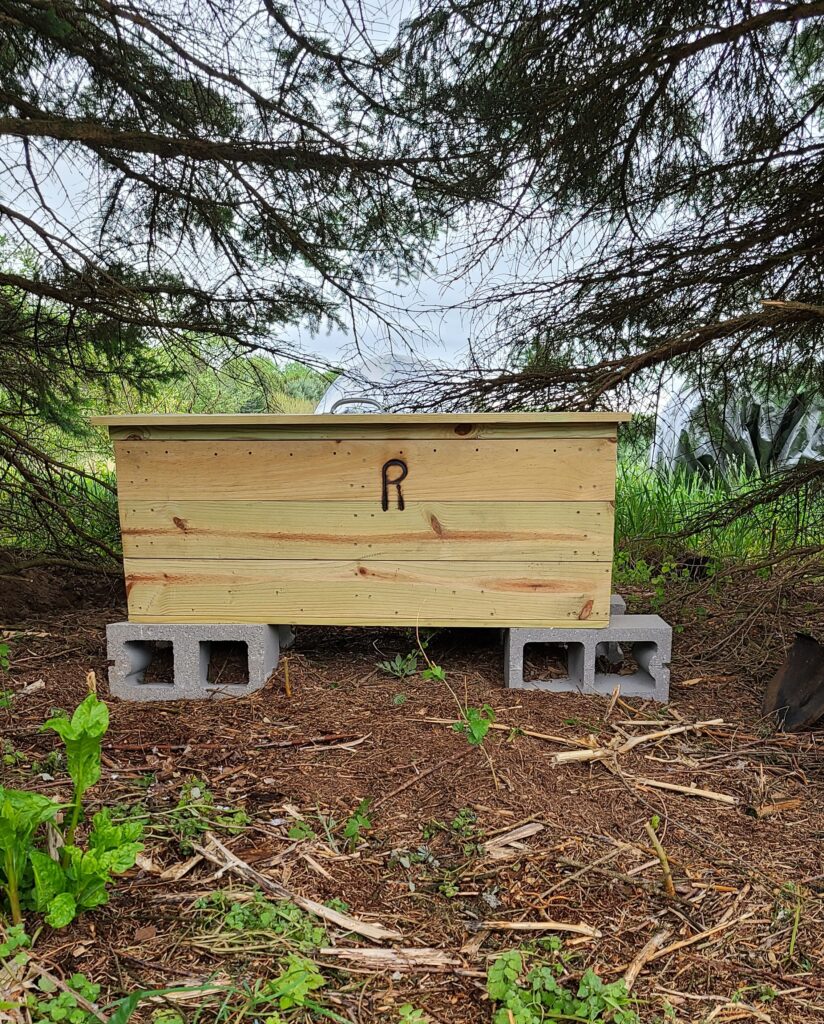
The last way that I have used waste wool is in our worm bin. The top layer in a worm bin should be insulating and moisture-retentive, and wool checks those boxes. You can use it as an alternative to shredded paper to keep your worms happy and healthy.
Not only does the wool serve as a cozy, light-proof covering, but it also can be a long-term food source for your worms. While red worms will consume small amounts of raw wool and use it for energy, their primary diet should consist of fruits and vegetables, starches, and eggshells.
Have you discovered other ways to use waste wool? I would love to hear about them in the comments below!