15 Rotational Grazing Supplies You Need for Goats

Rotational grazing has its perks, but to enjoy all the benefits of this practice you need to have the right gear. Here is a list of must-have equipment to get started making paddocks both inside and outside of a perimeter fence. Recommendations for rotational grazing supplies specifically for goats are shared.
This post contains affiliate links. As an Amazon Associate, I earn from qualifying purchases.
Getting started with rotational grazing can seem a little intimidating at first, at least that’s how I felt in the beginning. I knew what I wanted to accomplish, but it took some trial and error to find what worked for our animals and property.
We raise dairy, meat, and fiber goats and have been enjoying the increased productivity and cost savings of rotational grazing for a few years now. For more on the many benefits of rotational grazing and how rotational grazing differs from continuous grazing, click here to read my other article.
Rotational Grazing Options
There are two options for rotational grazing that we use on our farm, each of which requires different equipment. One option is to use existing perimeter fencing as part of a paddock.
We have two 3-acre pastures with five strands of high tensile perimeter fencing and a pipeline with hydrants run all the way to the back. We subdivide each pasture into six paddocks to rotationally graze our goats and horses. If you have perimeter fencing and water access, you can do the same. It will limit the amount of extra gear you need to purchase upfront.
The second option is to put the goats out in a more remote location without any existing fence or water handy. We graze our 30-acre CRP field and wooded lots in this manner which necessitates a solar-powered energizer and portable watering system.
Here is a list of the basic supplies you need and some recommendations to get started with rotationally grazing goats. Depending on which route you go, you may not need all the items listed below.
1. Distance Measuring Wheel for Rotational Grazing
While not completely necessary, a distance measuring wheel can help take the guesswork out of planning paddock sizes and determining how much fence you need. I like the one that I have because it is collapsible and easy to push.
2. String Trimmer for Rotational Grazing
Paddock fences work best without a bunch of tall grass touching them. Buzzing a quick path for your temporary fence with a string trimmer can make putting it up easier and the pulse stronger to keep your goats where they need to be.
3. Fencing for Rotational Grazing
For making temporary paddocks for goats inside and outside of my perimeter fencing, my top choice is Premier 1 electric netting. This portable fence features a lightweight mesh with small holes and step-in poles already built in every 12 ½ feet.
Premier 1 ElectroNet is easy to use and it works! The fence that I buy is specifically made for sheep and goats and is 35 inches tall and comes in panels that are 164 feet long. You can use one panel to make a small enclosure or join panels of fence together to make a large grazing paddock. They can also be integrated into your existing perimeter fence.
The versatility and portability of the electric netting can’t be beat. You can put your goats up anywhere and make any size or shape paddock you desire. Need to keep the goats off a fruit tree or electric box? No problem, just go around it when you are setting up!
I have also tried making paddocks with both three and four strands of poly-tape, but it just doesn’t keep the goats in as small ones can duck under the lowest wire.
4. Step-in Posts for Rotational Grazing
If you are going to try poly-tape fencing for your paddocks, you will need step-in posts. I put one every 12 feet. They have built-in hooks for keeping the poly tape in place. If you opt for Premier 1 electric netting, you wont need to buy these.
5. Reels for Rotational Grazing
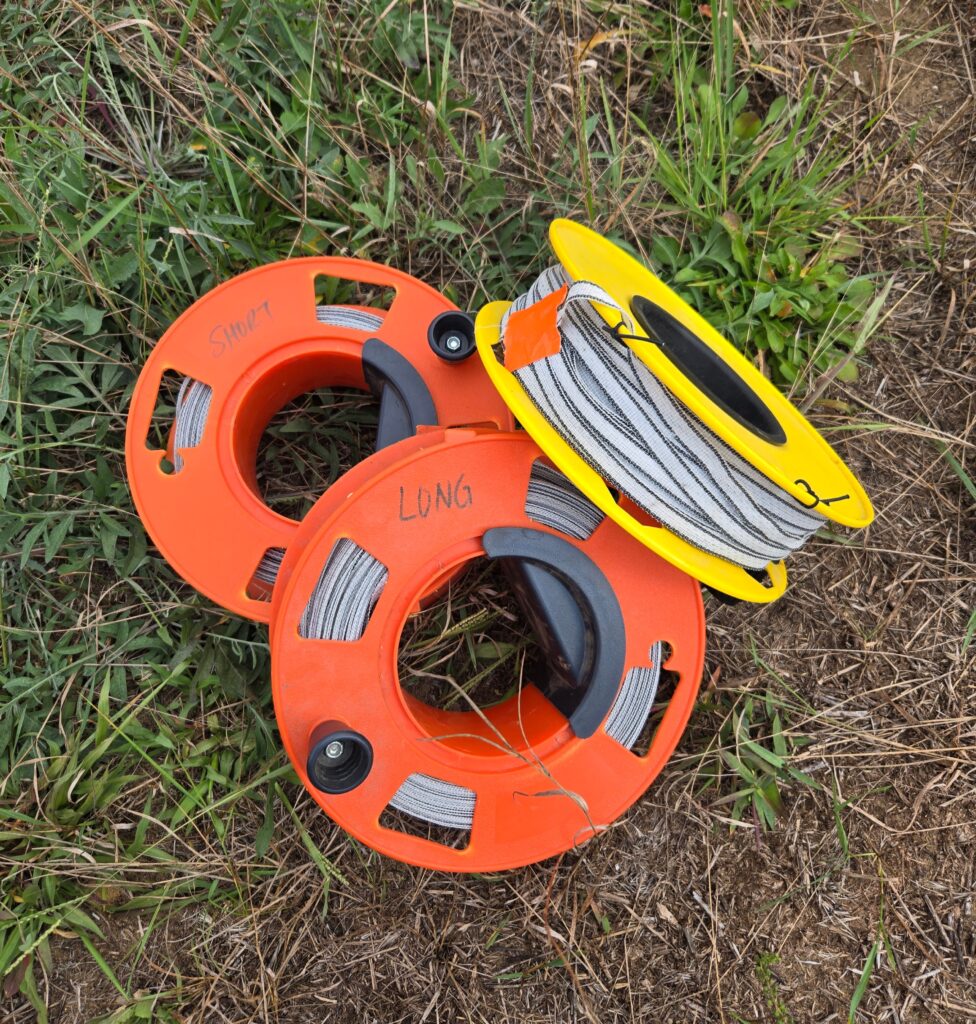
Reels are very helpful for winding and unwinding poly-tape without making a mess. I use reels that are made for storing extension cords and label them so I know what goes where.
6. Energizer for Rotational Grazing
When our goats are in paddocks without a perimeter fence, we hook the Solar IntelliShock 100 to our electric netting. This is a 1 joule portable solar energizer that keeps the fences hot and the goats in. It stays charged even on cloudy days and turns on and off with the push of a button.
If you are grazing inside a perimeter fence, you wont need a separate energizer. You can jump your poly-tape or electric netting to a hot existing fence.
7. PowerLink for Rotational Grazing
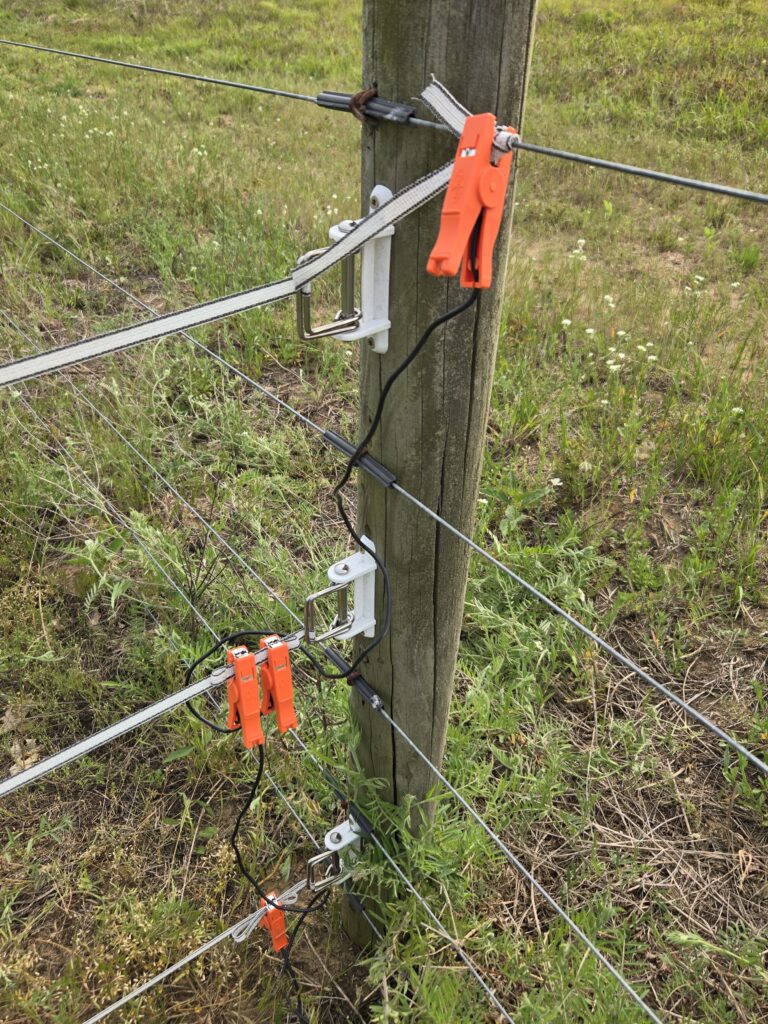
When the goats are in a sectioned off area inside our high tensile perimeter fence, we jump the ElectroNet to the perimeter fence with a Premier 1 PowerLink. These clamps are easy to use and then you don’t have to fuss with the solar charger.
8. Ground Rods for Rotational Grazing
If you are grazing with electric netting and a solar energizer, you will need some portable ground rods. I use three galvanized rods, placed 6 feet apart, connected with insulated wire to ground my solar charger.
When the weather is especially dry, I wet the ground rods down when I check on the goats twice daily. The added moisture helps give the pulse a boost!
9. Hammer for Rotational Grazing
You’ll need to keep a decent sized hammer on hand for pounding in the ground rods and the stake that the solar energizer sits on.
10. Watering System for Rotational Grazing
For grazing our goats in paddocks inside the perimeter fence, we use a hydrant with a hose to supply water. Fun fact: Our goats have learned how to turn the water on by playing with the hydrant handle, so now we have to wire them down or keep them locked!
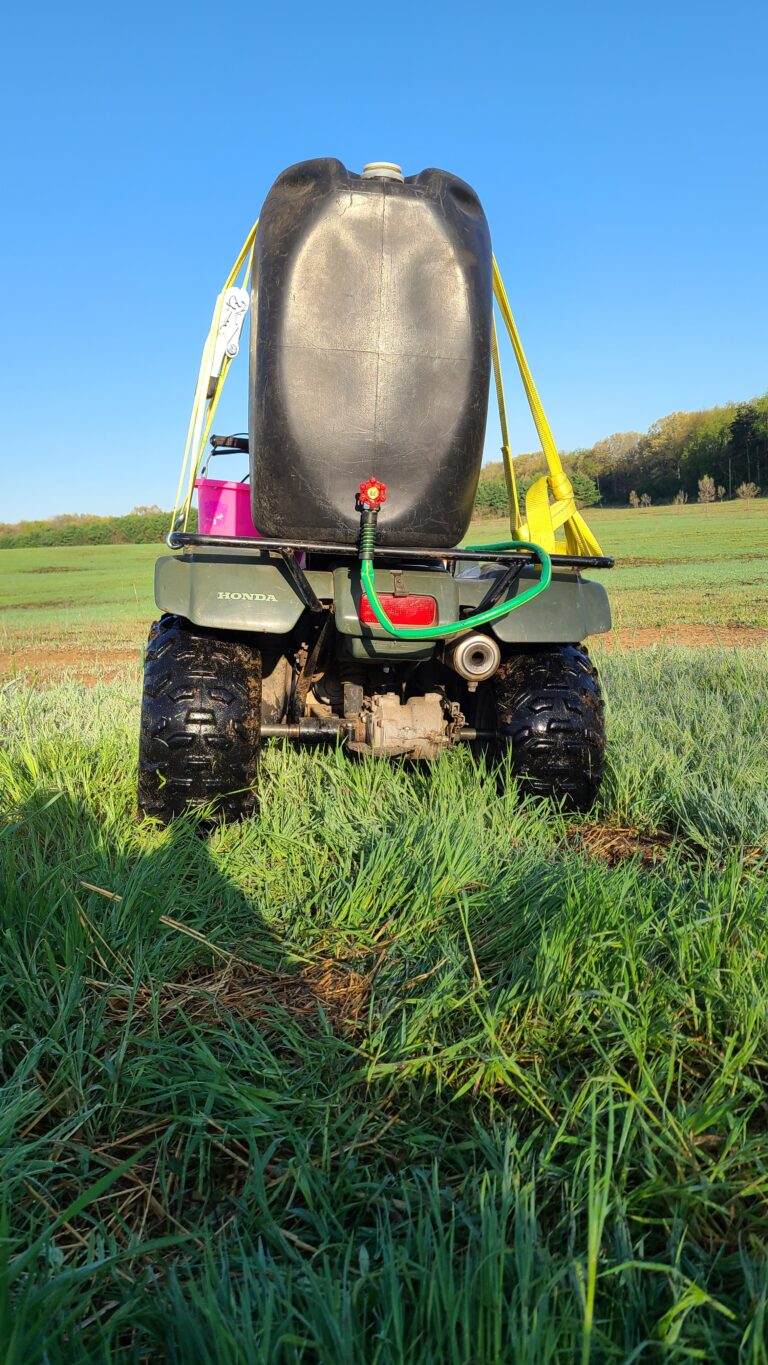
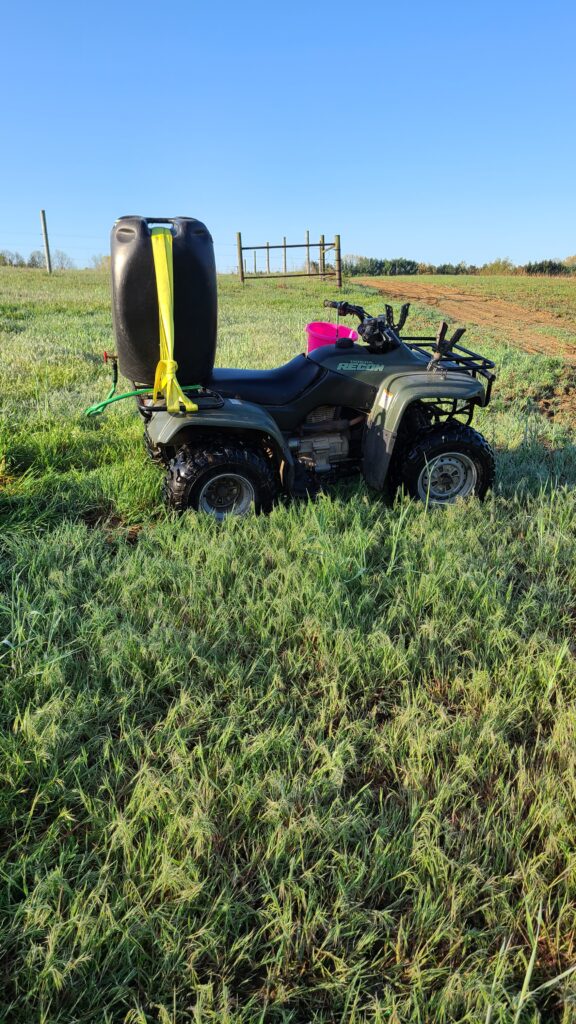
For remote areas without water access, we use a portable barrel that we carry with our ATV. For directions for building your own like you see below with a plastic drum, hose bibb, Teflon tape, and drill, click here to read our other article.
11. Water Tanks or Buckets for Rotational Grazing
Compared to some other livestock, goats don’t drink a ton. However, they definitely need a 24-hour supply of fresh, clean water. Depending on the size of your herd, you might be able to get away with providing a few large buckets.
In our paddocks, we use 30-gallon plastic tanks. These stay full for a few days and are small enough to move around and dump with just one person.
12. Mineral Station for Rotational Grazing
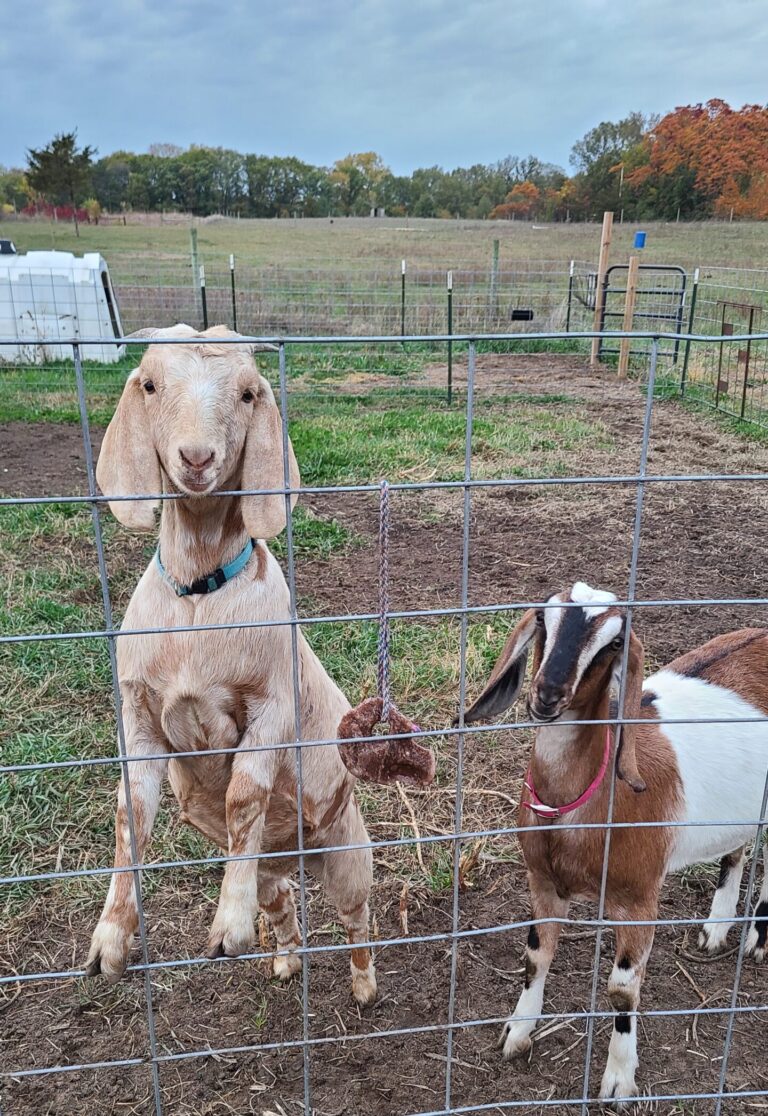
When your goats are out on pasture, they still need to have access to salt and minerals. A mineral tub or block works well because it is portable and can move with the herd. If you have trees in the enclosure, a rock on a rope can be tied up somewhere as well.
13. Feed Pans for Rotational Grazing
If you plan to supplement your goats when they are out rotationally grazing, you might want to have some feed pans in your setup. I like the rubber ones because they are easy to clean and stack up nicely.
14. Shelter for Rotational Grazing
Depending on the time of year and weather, shade and shelter might be appreciated by your goats. A stand of trees or shrubs, an old wagon, or a couple calf hutches can all become a refuge for your herd from the sun or rain if needed.
15. Vehicle for Carrying Rotational Grazing Supplies
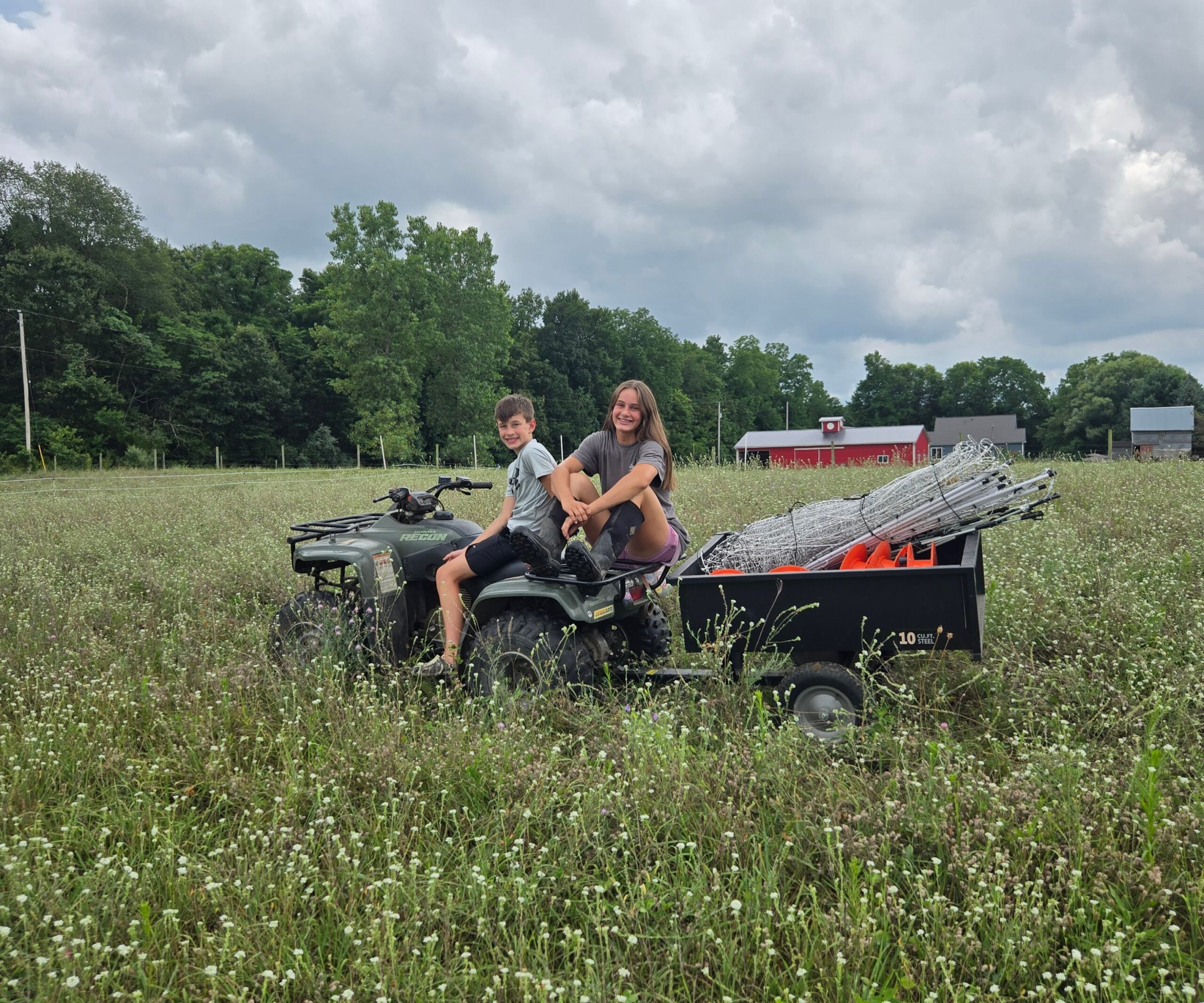
As you can see, there is quite a bit of equipment needed for rotational grazing and some of it is bulky. A trusty vehicle is helpful for moving your gear and keeping everything together. On our farm, we use an ATV with a utility trailer to haul all our supplies.
Putting Rotational Grazing into Practice
Now that you have the supplies you need for rotational grazing, it’s time to put them to work! Don’t forget to check on your goats often and care for your equipment so that it lasts for years to come.
For more information on rotationally grazing goats, check out our training guide and troubleshooting tips in this other short article.