How to Capitalize on Hybrid Vigor When Breeding Goats

From a production standpoint, there are definite benefits in crossbreeding livestock. Due to hybrid vigor, crossbred offspring often outperform their purebred parents. Considerations for establishing a crossbreeding program in a goat herd is discussed.
This post contains affiliate links. As an Amazon Associate, I earn from qualifying purchases.
If you’re a livestock farmer, depending on the goals of your operation, you might choose to produce purebred or crossbred animals, or some of each like I do.
In the next few paragraphs, I will share my thoughts and findings from running both traditional, breed-specific and crossbreeding programs with goats.
Purebred Goats
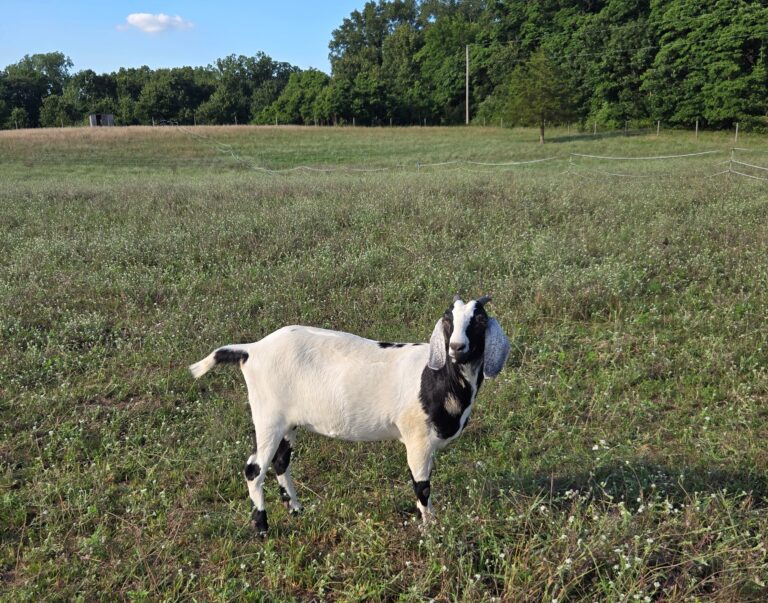
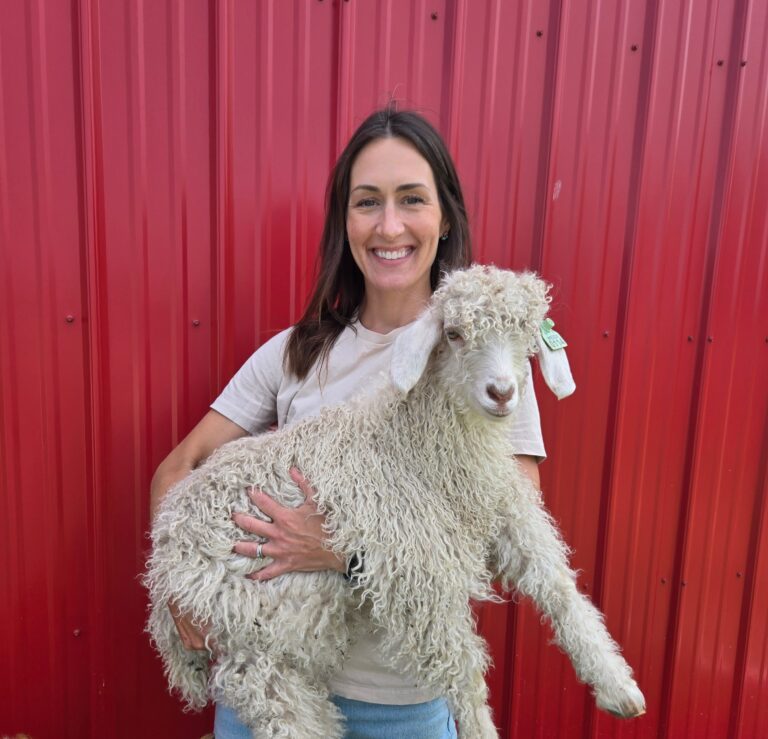
On my farm, I have several purebred Boer, Angora, and Nubian goats. I have invested in registered full-blood herd sires with pedigrees that demonstrate quality in carcass weights, fleece, or milking capacity. I also have purebred does that I pair with these bucks to produce registerable offspring, primarily for show.
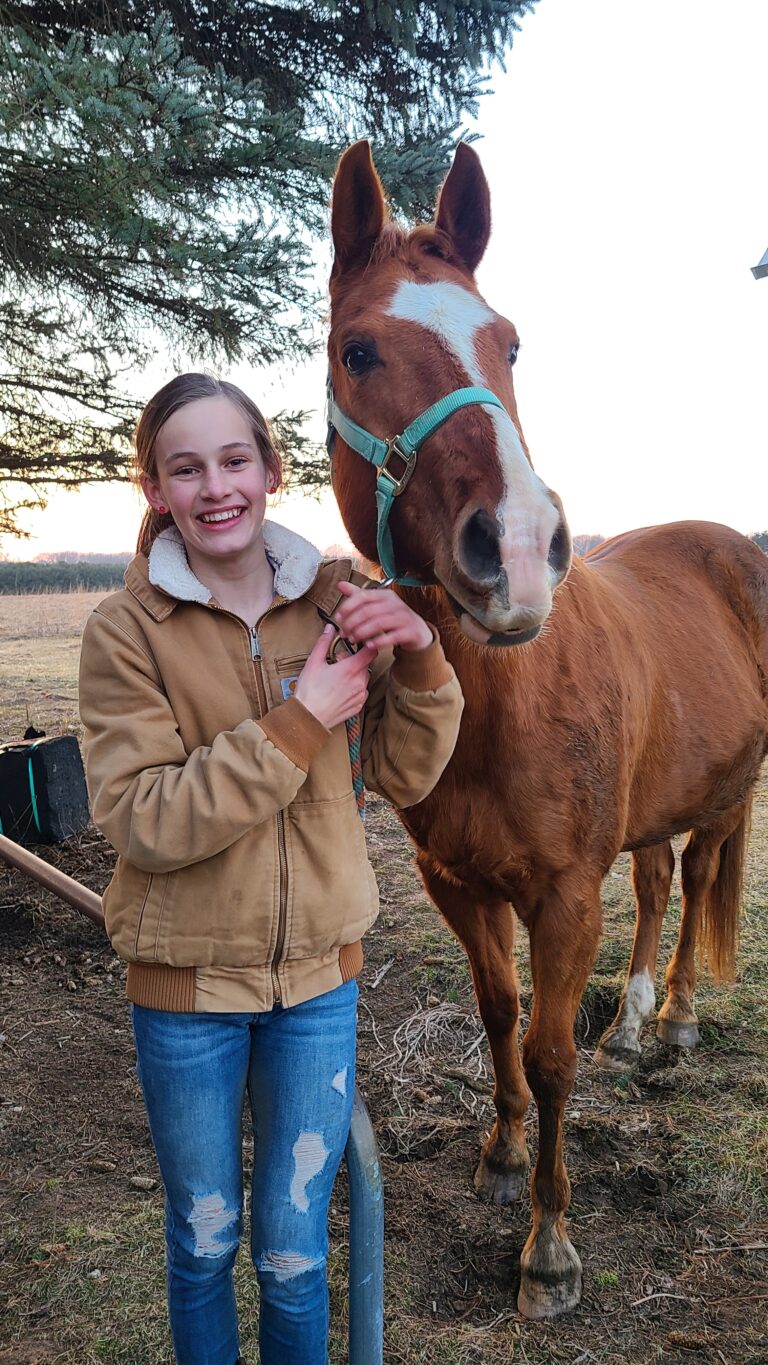
My daughter and son take their pick of the kid crop for their 4-H animals each year. The extras are sold to other 4-Hers, retained as replacement breeding stock, or are put in the freezer.
Since I have a market for my registered stock, I plan to continue producing some purebreds with the goal of constantly improving my Boer, Angora, or Nubian goats.
Carefully selecting purebred animals for breeding programs is necessary to maintain or improve breed standards. Potential sires and dams should be objectively evaluated based on conformation, health, and disposition. Whenever available, performance data should be used to inform breeding decisions.
I have developed a cull calculator that I use to decide which of my does make the cut each breeding season. The link to that resource is provided here.
While striving to develop an ideal specimen of a recognized breed is a worthy aim, preserving the bloodlines of those breeds that have a critically low population status is another goal producers might consider. Heritage breeds of goats with historical significance and unique qualities such as the San Clemente and Spanish would become wiped out without breeders dedicated to their survival.
Problems with Purebred Goats
One potential issue with purebred goats is that they may have common ancestors and as the gene pool shrinks, the risk of genetic disorders rises.
Line breeding is commonly practiced in purebred breeding programs. This refers to the breeding of animals with common relatives, but not siblings to one another or parent to offspring (this would be considered inbreeding). Some producers choose line breeding because it offers predictable results and has less risk associated than inbreeding.
According to Oklahoma State University Extension, risks of inbreeding and linebreeding (to a lesser extent) include poor fertility, slower growth rates, and decreased overall vigor in offspring.
Although I do not practice line breeding or inbreeding, I am conscious of genetic disorders that can affect my purebred stock. One example of a breed-specific genetic disorder in goats is G-6-sulfatase deficiency, an autosomal recessive disorder that affects Nubians. This metabolic defect leads to the build up of sugars in the animal’s body resulting in growth retardation, neurological issues, and premature death. Genetic testing can be conducted to determine which goats are normal, carriers of the mutation, or affected.
On my farm, goats with genetic disorders or those that exhibit abnormalities such as wry face, cleft palate, parrot mouth, more than two teats on one side for Boers or any supplemental teats on my Nubians or Angoras, undescended testicles, or hermaphroditism are culled.
Crossbreeding and Hybrid Vigor
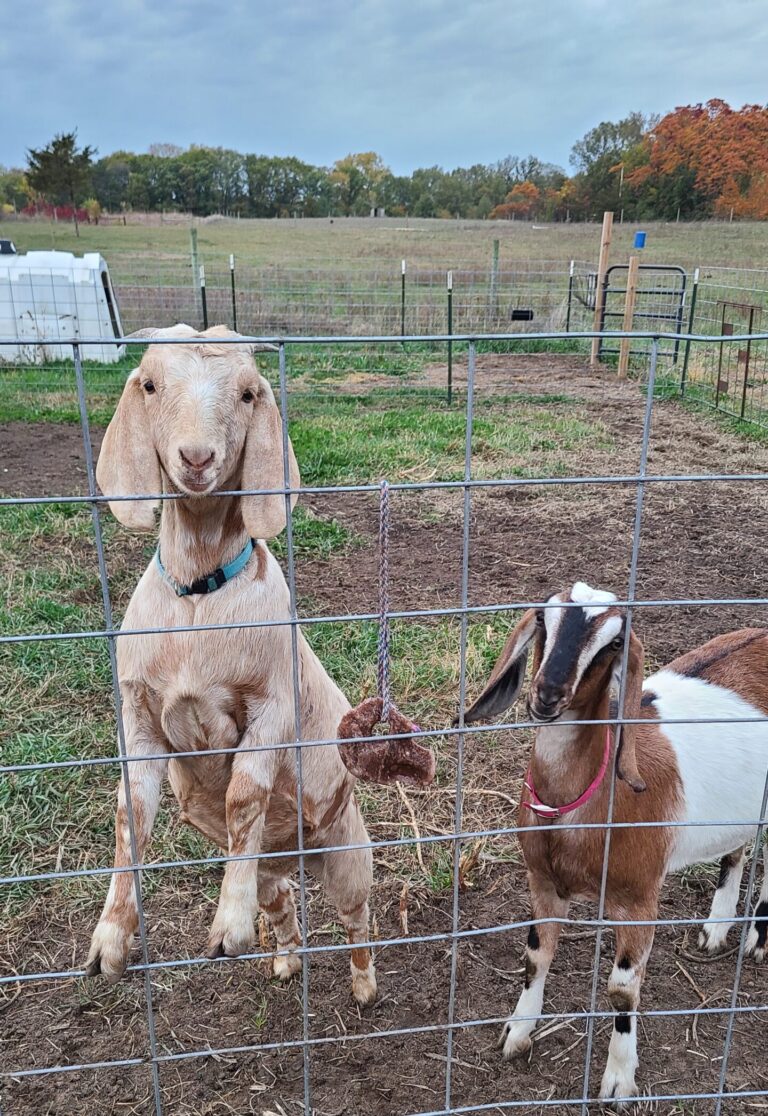
Crossbreeding refers to breeding animals from two different breeds like a Boer to a Nubian or vice versa. The outcome of crossbreeding is hybrid vigor, or heterosis, a phenomenon wherein offspring exhibit the most desirable qualities from each of their parent breeds.
Due to the genetic variety, harmful genes are often masked in crossbreds and traits like resilience, hardiness, health, and longevity are enhanced.
If your goal in producing livestock is productivity and profitability, instead of maintaining or improving purebred lines, implementing a crossbreeding program could be just the thing to get you there.
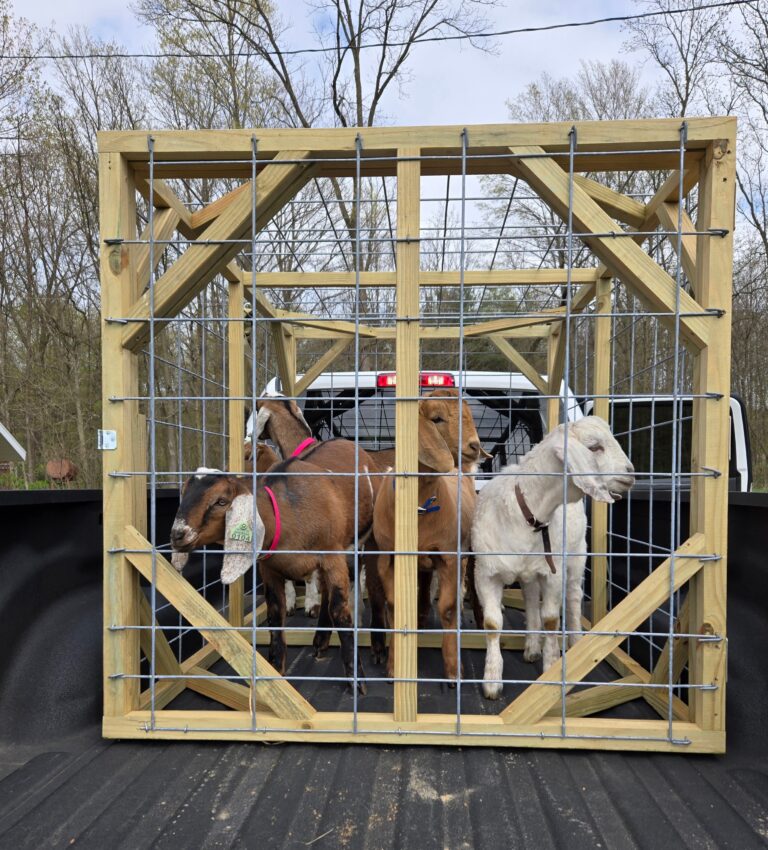
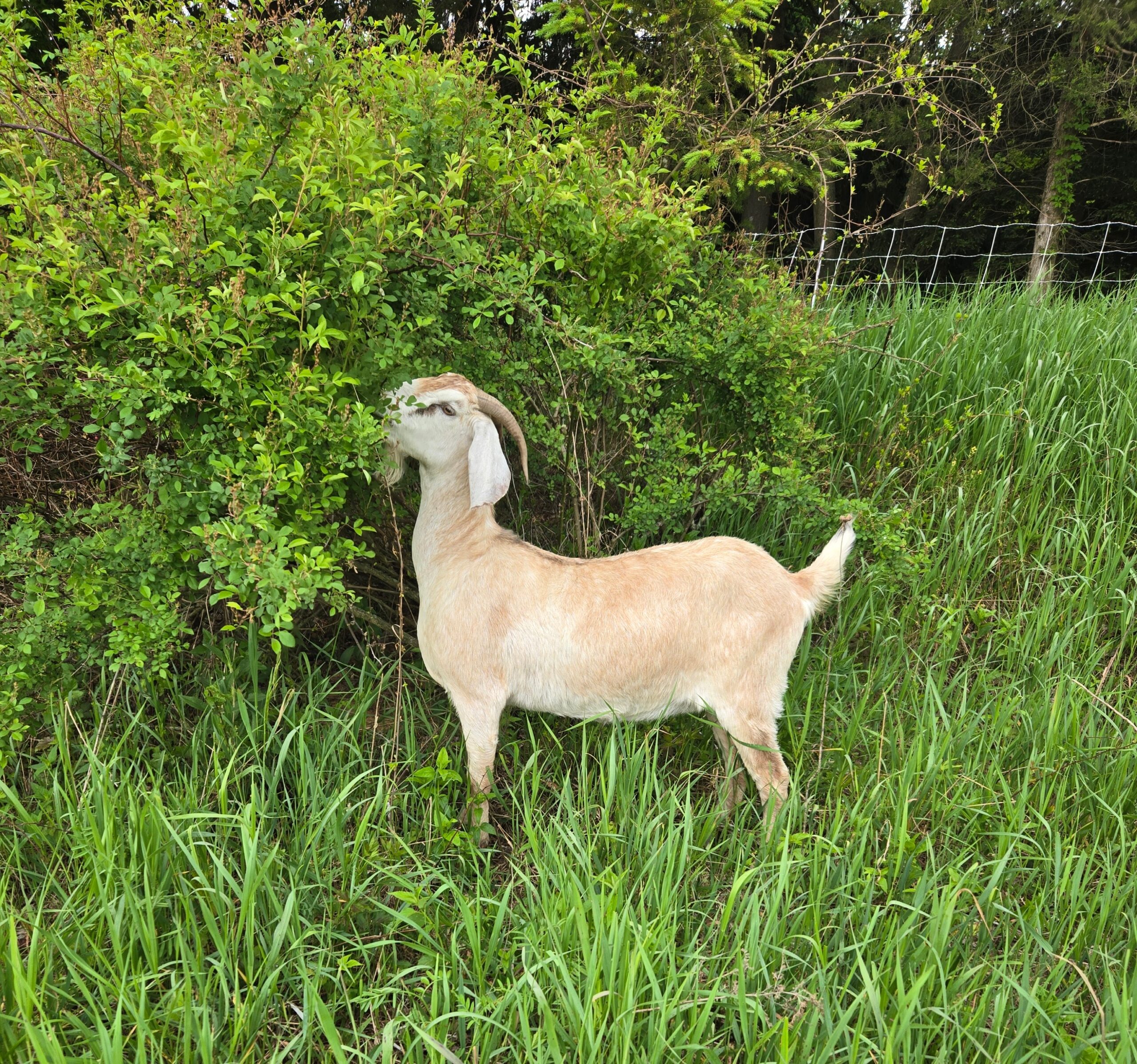
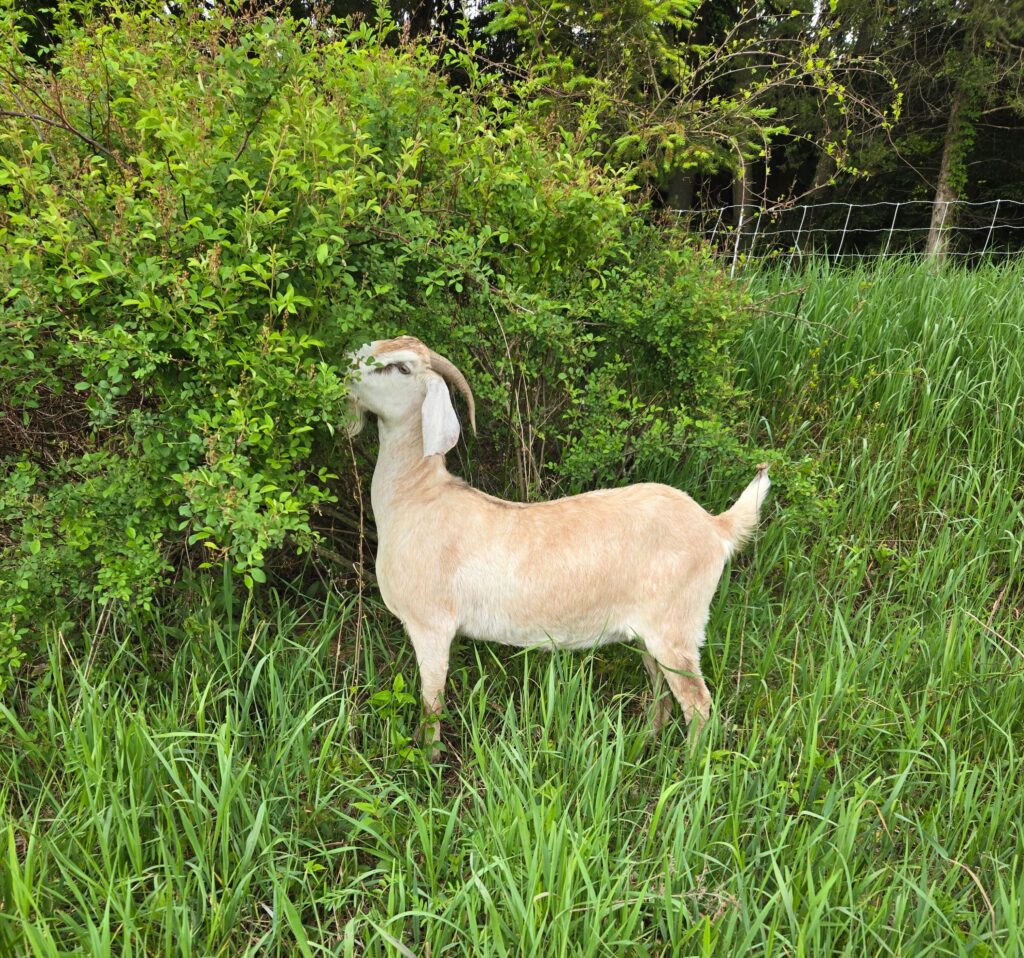
On my farm, I utilize a crossbreeding program and produce Boer/Nubian and Boer/Savannah goats. They are used as contract grazers for my brush management business and to produce meat in my commercial herd. These hybrids are easy keepers, excellent foragers, attentive mothers, and worth just as much to me as my purebred stock. For more on using goats for brush removal or producing goat meat, follow the links to my other articles.
Benefits of Crossbreeding
There is plenty of scientific literature to support the practice of crossbreeding livestock. While most of the published crossbreeding studies have been conducted with cattle, the findings can be applied to other ruminant species like sheep and goats.
There is evidence that hybrid vigor improves fertility and reproductive rates. Crossbred cattle have been found to have higher rates of successful pregnancies and births and fewer days open when compared to purebreds (Buckley, Lopez-Villalobos, and Heins, 2014).
Crossbred cattle often exhibit faster growth, leading to heavier birth, weaning, and carcass weights (Hay and Roberts, 2023h). For this reason, crossbreeding is commonly practiced by commercial beef producers.
Due to hybrid vigor, crossbred animals may also have a stronger immune system, increased ability to fight infections, and the tendency to thrive despite environmental challenges. This hardiness leads to lower morbidity and mortality rates and less expenditure for livestock farmers. Crossbred cattle have been found to have superior survival rates and more favorable body condition scores over their lifespan compared to their purebred counterparts (Hazel, Heins, and Hansen, 2017).
The combination of the above-mentioned effects of hybrid vigor makes producing crossbred livestock profitable. Animals that are healthy and resilient require fewer inputs and their productivity can result in more pounds of meat or more offspring to sell.
My personal experience with crossbreeding goats has been overwhelmingly positive. My Boer/Nubian and Boer/Savannah kids grow exceptionally well and require less frequent deworming than my purebreds. They make excellent market goats and have performed well in both live and carcass evaluations at our county fair. My crossbred does are easy breeders, great mothers, and the Boer/Nubians wean the heaviest kids due to the dairy influence of higher milk production.
Disadvantages of Crossbred Goats
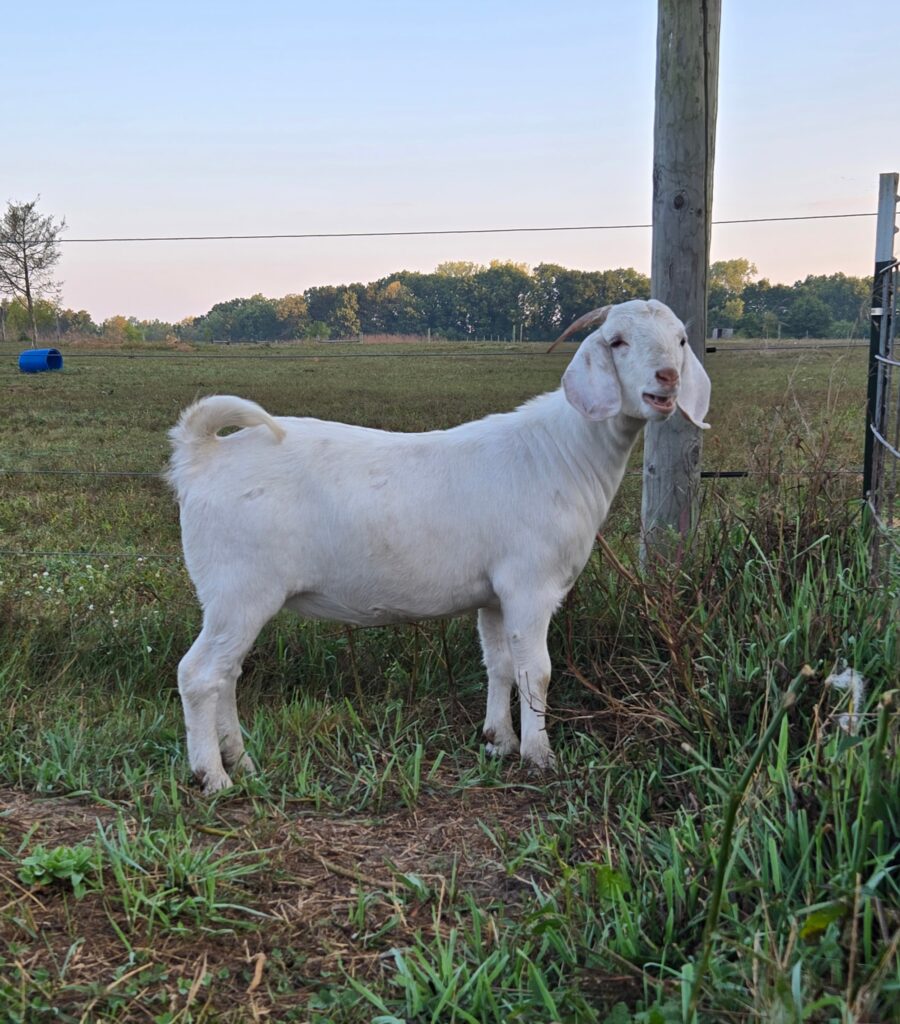
Although hybrid vigor is highly advantageous, there are a few drawbacks to consider when implementing a crossbreeding program. The main disadvantage of crossbreeding is that you lose uniformity in offspring. If your customers or buyers prefer animals that look a certain way, crossbreeding can leave you with goats that don’t fit expectations and have to be marketed in creative ways.
Another disadvantage of creating hybrids is that you won’t have breed standards on which to evaluate your animals. Instead, you will have to use your own appraisal of a goat’s body capacity, balance, mammary system, temperament, and natural instincts and select for traits that are valuable to your type of operation.
Implementing a Crossbreeding Program
If you raise more than one breed of goat, it is relatively easy and simple to implement a crossbreeding program. All you have to do is intentionally mate a buck and doe of different breeds to one another.
On my farm, I use my registered fullblood Boer buck to service Savannah and Nubian does to produce F1 (first generation) crossbred Boer/Savannahs and Boer/Nubians. These 50% offspring exhibit hybrid vigor and are used for meat or as breeding stock.
Breeding two F1 hybrids to one another is not recommended because the offspring (F2s) are highly variable and hybrid vigor is often lost in this generation. To continue to capitalize on hybrid vigor, F1 crossbreds should be bred back to purebreds.
I breed my crossbred Boer/Savannah and Boer/Nubian does to a purebred Boer buck and the resulting 75% Boer/ 25% Savannah or Nubian kids exhibit hybrid vigor and its benefits.
References:
Buckley, F., Lopez-Villalobos, N., and Heins, B.J. (2014). Crossbreeding: Implications for dairy cow fertility and survival. Animal, 8(1), 122-133. doi: 10.1017/S1751731114000901
Hay, E.H., and Roberts, A. (2023). Genomic analysis of heterosis in an Angus x Hereford cattle population. Animals (Basel), 13(2), 191. doi: 10.3390/ani13020191
Hazel, A.R., Heins, B.J., and Hansen, L.B. (2017). Fertility, survival, and conformation of Montbeliarde x Holstein and Viking Red x Holstein crossbred cows compared with pure Holstein cows during first lactation in 8 commercial dairy herds. Journal of Dairy Science, 100(11), 9447-9458. doi: https://doi.org/10.3168/jds.2017-12824