19 Amazing Ways to Use Honey

Honey is an incredible product that bees make from the nectar they collect from flowers. Honey is commonly used as a sweetener but can be used for so much more due to its unique composition. Discover the possibilities of using honey for more than a substitute for sugar in food and drinks!

This post contains affiliate links. As an Amazon Associate, I earn from qualifying purchases.
I love honey!
Part of what prompted my venture into beekeeping was the prospect of harvesting honey from my own hives. It has been such a rewarding experience to learn about honeybees, care for them, and use the wonderful honey that they make every year.
How Honey is Made
Honey is an incredible product made by an amazing insect, the honeybee! I find the process of making honey to be very interesting and want to share how it works, in case you don’t know.
Foragers are the bees that begin the honey-making process. These are female worker bees that go out and collect nectar from flowers. They use their long straw-like tongue, or proboscis, to drink up the nectar, storing it in their crop or “honey stomach.”
When the forager arrives back at the hive, she regurgitates the nectar into the mouth of another female worker bee. The nectar is passed from bee to bee in the hive, until it is finally laid to rest in a hexagon-shaped wax cell or “honeycomb.” Each time the nectar is passed, enzymes from the bee’s digestive system are incorporated into the nectar, which starts breaking it down into simple sugars.
The cells, full of nectar, are then fanned by the wings of the bees, which aids in the evaporation of water from the nectar. Once the moisture content reaches around 17% water, the bees seal the cell off with wax, preserving it indefinitely. The result is a highly viscous and super-concentrated sugar that we call honey!
For more information on how I harvest honey from my hives, click here to read my other article. If you are interested in learning how I render wax from the cappings from the honey harvest, click here for step-by-step directions.
Honey’s Composition
So now you know that honey is really just dehydrated nectar and bee spit! But let’s examine it more closely.
Honey is composed primarily of sugars, like glucose and fructose, and water. However, it also contains B vitamins like thiamine, riboflavin, niacin, pantothenic acid, and pyridoxine as well as Vitamins C, K, and E. Minerals such as potassium, calcium, and iron are also found in honey in trace amounts. Honey, especially raw, is rich in phenolic compounds and flavonoids that function as antioxidants.
Honey has antibacterial and anti-inflammatory properties and doesn’t ever go bad because of its low water content and acidic pH. Although honey is commonly used as a sweetener, it can be used for so much more due to its unique composition.
As a beekeeper with plenty of honey on hand, I am always looking for interesting ways to use it and here are some ideas you can try too!
1. Use Honey as a Topping for Foods
One of my favorite ways to use honey is as a topping for food. Honey is great on toast, cornbread, pancakes, oatmeal, and yogurt. Combine honey with butter or peanut butter and top off your favorite snack with just the right amount of sweetness.
2. Use Honey to Sweeten Drinks
Honey can be used in place of sugar to sweeten drinks. I add honey to my tea, but you can use it in lemonade, coffee, and smoothies too. Honey is a natural sweetener that has more to offer from a health standpoint than refined sugar or artificial sweeteners.
3. Use Honey in Baking
You can use honey as an alternative or to complement sugar when baking. When baking with honey, you might need to make a few adjustments to your recipe. Three-fourths of a cup of honey is equivalent to one cup of sugar when baking. Since honey adds moisture, adjusting the amount of other wet ingredients can help maintain the consistency. Lowering the cooking temperature can help prevent excessive browning as well.
Some of my favorites to bake are honey cake and honey cookies! For my honey beer bread recipe, click here!
4. Use Honey in Cooking
Honey can be a great addition to meat and vegetable dishes. You can make a glaze for chicken, shrimp, salmon, or ham with honey. Honey also works well for caramelizing onions, carrots, or brussels sprouts.
You can use honey as a marinade too. Combine honey with soy sauce for a simple and savory marinade for chicken, beef, seafood, or veggies! For my venison jerky recipe with honey, click here!
5. Use Honey to Make Salad Dressing
You can make a delicious, tangy, homemade salad dressing with just the right amount of sweetness using honey, olive oil, vinegar, and mustard. Keep it in a glass jar in the fridge and shake before using.
6. Use Honey to Make Syrups
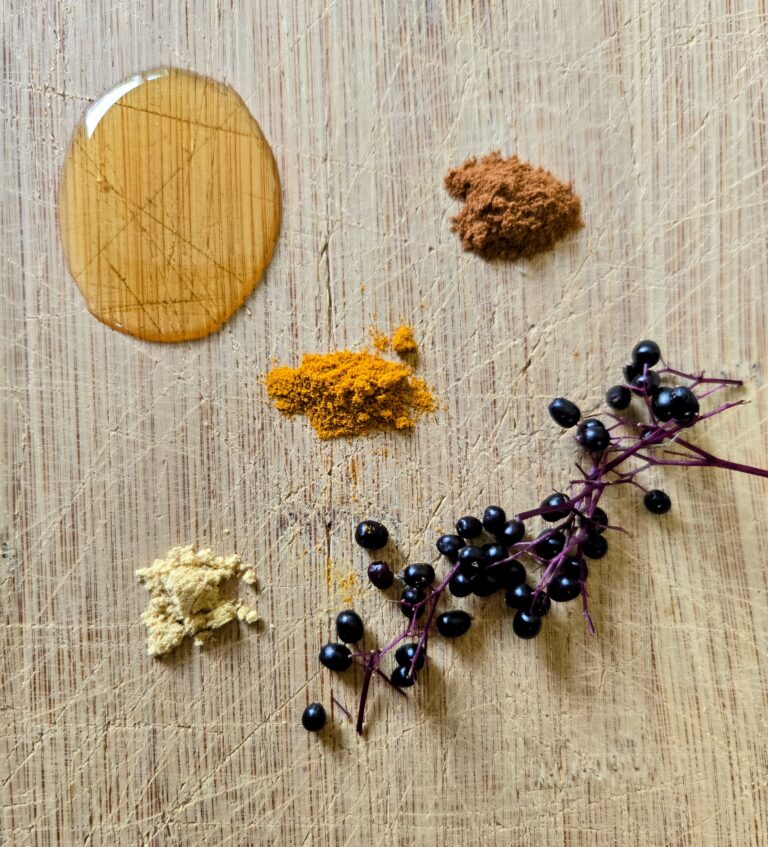
You can make blueberry or elderberry syrup by combining the berries with water, cooking them down, straining them, and combining the concentrated juice with honey. For my spiced elderberry syrup recipe, click here. Blueberry or elderberry syrup is a great topping for yogurt or ice cream!
7. Pair Honey with Cheese
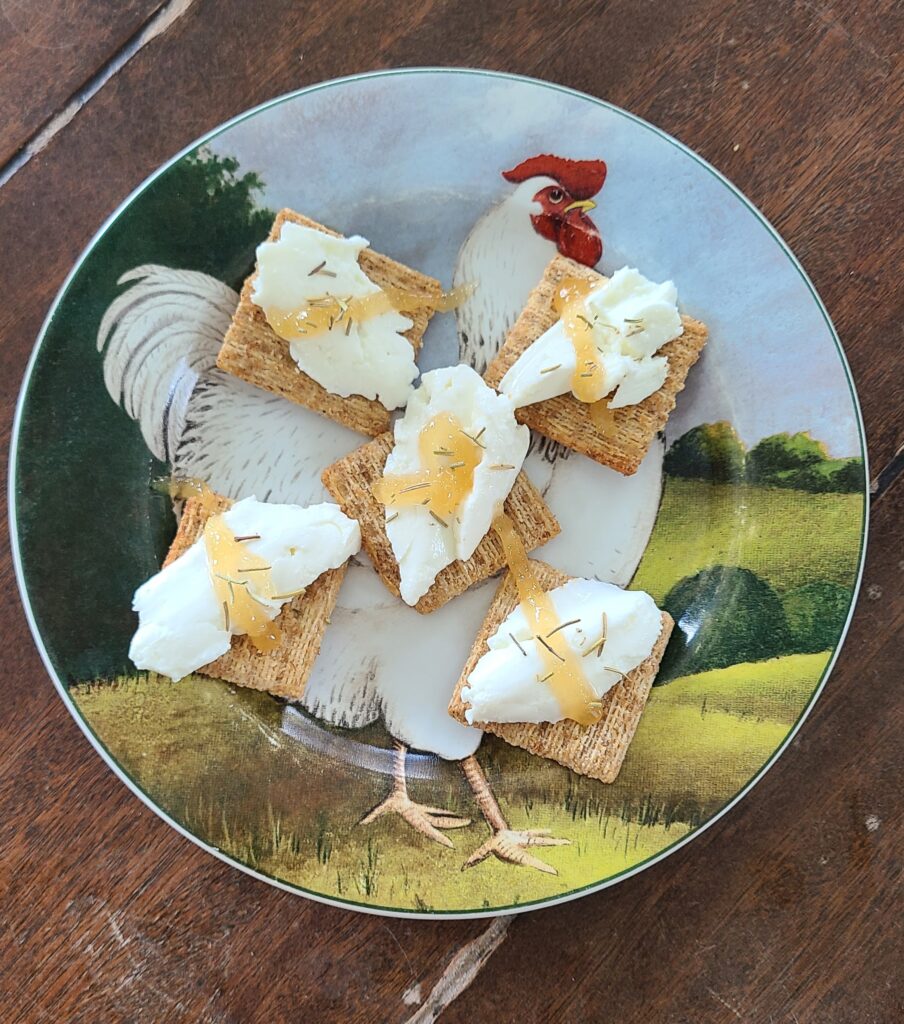
Cheese and honey are two of my favorite foods and they are even better together. Honey pairs well with gouda, sharp cheddar, and even blue cheese. I make fresh goat cheese with milk from my dairy goats and adding some rosemary and a drizzle of honey makes it even more delectable. Click here for my goat cheese recipe!
8. Make Whipped Honey
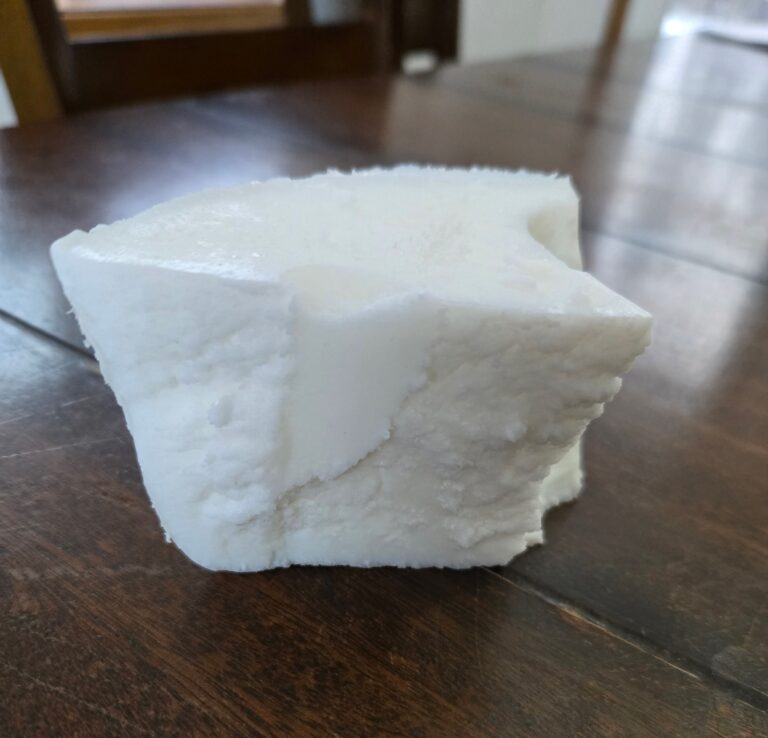
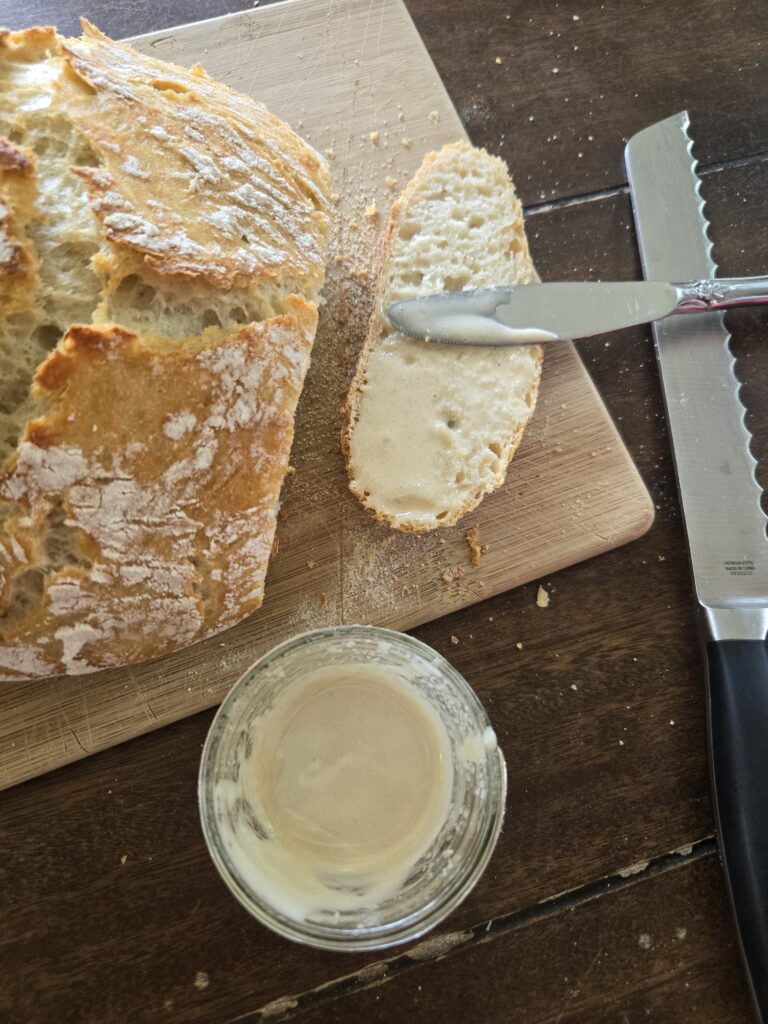
You can transform honey that has become crystallized into whipped or creamed honey using a stand or hand mixer. When air is incorporated into the honey, it takes on a whiter appearance and creamier texture. Whipped honey can be used in the same way as regular honey. For step-by-step directions on making whipped honey, click here to read my other article.
9. Use Honey to Make Mead
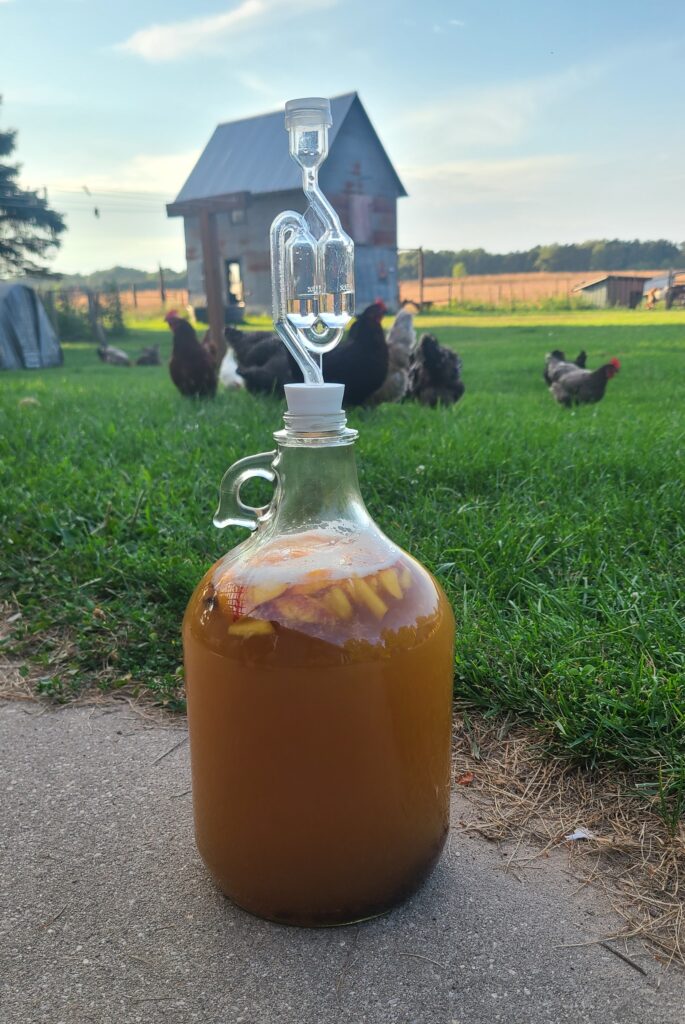
Mead is an alcoholic beverage that is made from fermented honey. To make mead you will need honey, water, yeast, a gallon-sized glass carboy, bung, and an airlock. Sanitization is important so that your mead doesn’t become contaminated. When I made mead, I used a no-rinse brewing sanitizer.
The mead has to ferment in a cool, dark place for several weeks. Then you can siphon it off and bottle it for drinking. There are mead-making kits that you can purchase to make the process easier.
10. Use Honey to Make a Face Mask
Honey is great for the skin. It is nourishing and gently exfoliating. I make a simple, brightening face mask with one tablespoon of honey and one teaspoon of turmeric. Combine the ingredients and apply to the face for 10 minutes, then rinse.
11. Use Honey in Soap Making
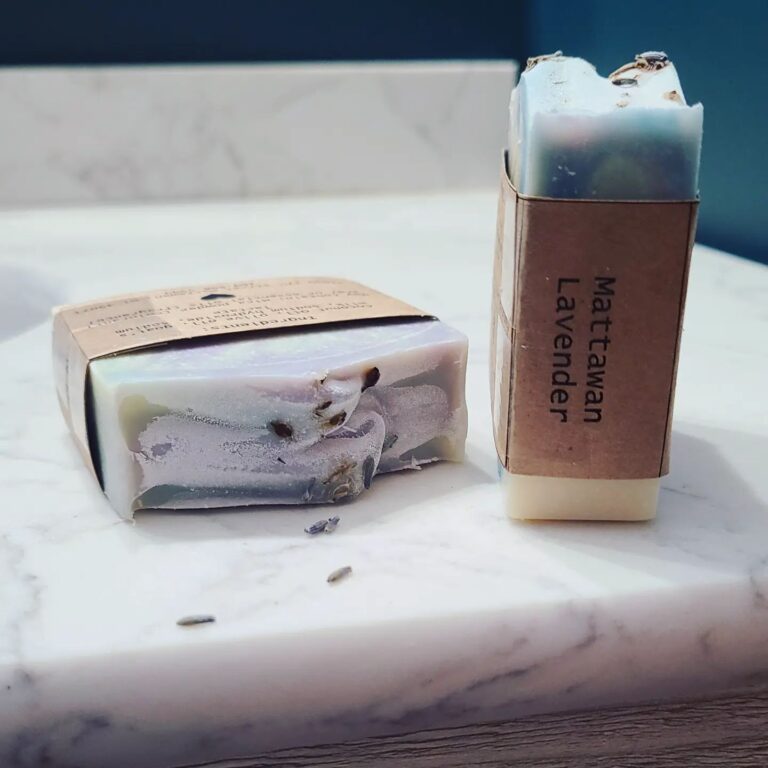
I have a soap making business and use honey in many of my cold process goat milk soap recipes. “Oats and Honey” is one of the most popular soaps that I make. It is extremely moisturizing, gentle on the skin, and has a light, sweet aroma.
It’s important to be aware that the addition of honey to your soap base can cause the soap to overheat due to the high sugar content. To prevent cracking, scalding, and discoloration, I soap at low temperatures (around 80 degrees Fahrenheit) and immediately place my poured molds into the freezer.
12. Use Honey as a Cough Suppressant
Next time you have a coughing fit, try taking a teaspoon of honey instead of cough medicine. It soothingly coats the throat and really works!
Honey can be used as a natural cough suppressant for adults or children over the age of one year old. Infants should not consume honey, due to the possible risk of botulism.
13. Use Honey in Plant Propagation
One way to propagate plants is to take a stem or leaf cutting from a parent plant and then root it in a water or soil medium. Honey has been used with success as a rooting hormone for plant cuttings like shrubs, trees, and herbs. It is thought to protect the new plant and support its early growth.
14. Use Honey as a Wound Dressing
Due to its antimicrobial and anti-inflammatory properties, honey can be used as a wound dressing. When covering a wound, honey draws out fluid, protects, and promotes healing of the skin. Medical-grade honey can be applied directly to burns, ulcers, and infections and then bandaged.
15. Use Honey to Treat Hypoglycemic Baby Goats
I raise Boer and Nubian goats and keep honey on hand in the barn during kidding season. Weak newborn goat kids with hypoglycemia can benefit from an oral dose of sugar like that found in honey. I put a small amount of honey on my finger and rub it onto the gums of cold and depressed kids that do not have the energy to nurse from their mom or take a bottle.
Hypoglycemia and hypothermia often go hand in hand. In addition to giving honey, I warm the kid with a hair dryer or take them inside and float them in a sink filled with warm water. Only after bringing their body temperature up, do I attempt to feed them. For more on bottle-feeding baby goats, click here.
16. Use Honey to Cure a Hangover
Honey can help ease the symptoms of a hangover. The sugars in honey will expedite your liver’s ability to break down the alcohol. Plus, it is easy on your stomach and helps replenish electrolyte levels. Have some honey and drink some water and you will be feeling better in no time!
17. Use Honey as a Sleep Aid
Honey can be used as a natural alternative to sleep aid medications. If you’re having trouble falling asleep, you can try taking a spoonful of raw honey 30 minutes before going to bed. Honey is thought to promote the uptake of tryptophan, the precursor to melatonin, the sleep hormone. In addition, the polyphenol compounds in honey exert calming effects on the nervous system which can lessen anxiety and promote restful sleep.
18. Use Honey on Canker Sores
Canker sores are small ulcerations that occur in the mouth as a result of trauma, in reaction to certain foods, or systemic conditions. They heal on their own in about two weeks, but can be painful. Applying raw honey to canker sores can help reduce inflammation and provide a soothing intraoral barrier.
19. Use Honey on Bee Stings
Bee stings hurt, but putting honey on them can help. Honey’s anti-inflammatory properties can assist in easing the pain, swelling, and redness that comes from bee venom. Plus, the antimicrobial effects of honey can prevent bacteria from entering the wound site. For another remedy for bee stings, click here for my roll-on essential oil recipe!
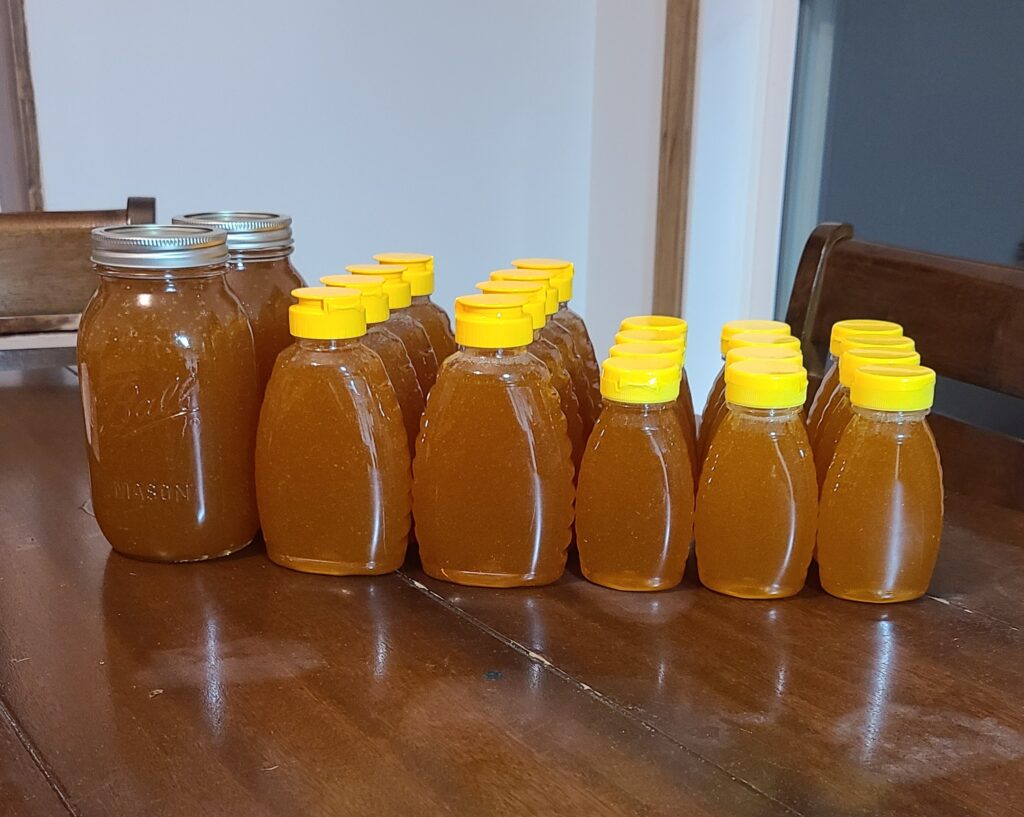
There you have it! These are all the ways that I personally use honey from my bees. I will continue to add to my list as I learn and try new things!